Rwanda Project Summary and Community Background
EWB-Philly completed three projects within the Rugerero District, Gisenyi, Rwanda between 2007 and 2013. Following the end of the Rwandan genocide in 1994, the government built the village of Rugerero in 1998 for survivors. An NGO called the Barefoot Artists worked to build a genocide memorial, and noticed other issues in the village which prompted EWB-Philly and students of medicine from Thomas Jefferson University to get involved to provide education on best sanitation practices and repair residential latrines. In the Chapter’s second project, EWB-Philly worked with the Red Cross to install new latrines for a health clinic after an earthquake destroyed the existing latrines. EWB-Philly’s third project involved partnering up again with the Barefoot Artists to repair shelters and install more latrines within Nyantomvu village.
Rugerero Survivor Village Latrine Repair
The Chapter’s very first project, which began in 2008, was in the Rugerero Village. Rugerero is a genocide survivor’s village built by the government in 1998 and consists of 600 residents. This community was suffering due to the loss of their families. A non-profit organization named Barefoot Artists worked with the community to build a genocide memorial where they could honor their loved ones who they had lost. Barefoot Artists motivated the community members to get outside their homes and begin talking to one another. Barefoot Artists noticed that there were other issues in the village outside their expertise and brought in Students of medicine at Jefferson University and our engineers to assist. The project team was asked by the community to focus on the latrines. As a part of the community construction in the 1990s, the Rwandan government had installed pore flush latrines with a tank in the backyard of the home. When EWB-Philly arrived to complete an assessment ten years later, over half of the latrines were in disrepair.
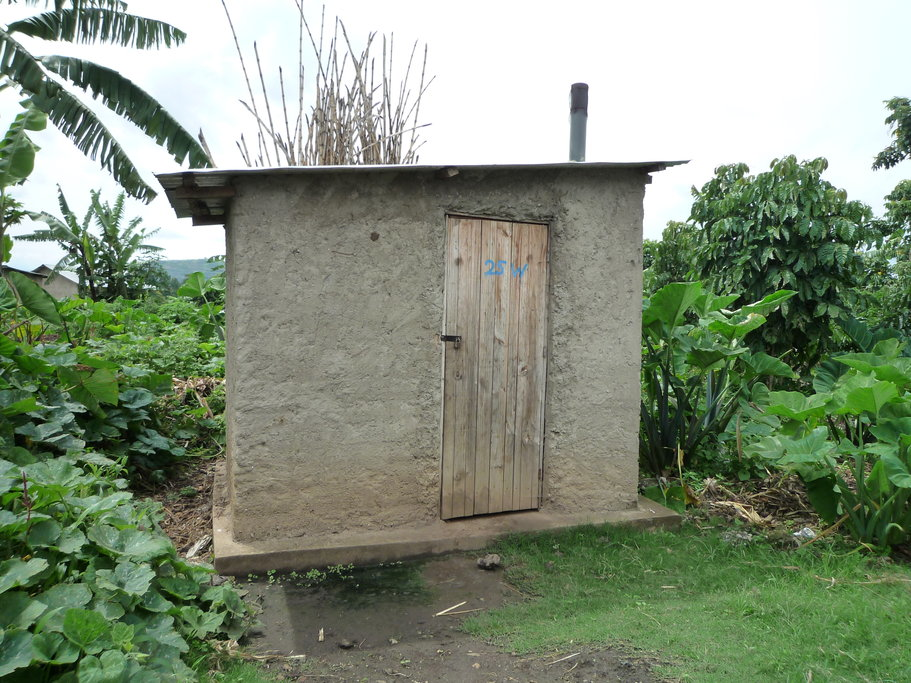
EWB-Philly decided on four types of latrine renovations:
- Latrine replacement with a ventilated improved pit (VIP) latrine.
- Replacement of one or more of the lid-slabs on septic pits using a reinforced concrete slab design similar to the VIP floor-slab.
- Replacement or repair of pipes connecting the pour-flush latrine to the septic pit and protection of the pipes from future damage.
- Sealing of holes, cracks, and gaps in currently used latrines with intact lids.
There were 27 latrines completed as described in #1. 18 latrines were completed as described in #2. Ten latrines were repaired as described in #3 and #4. The project was completed by a team of Rwandan masons in 17 months and each family now has a functioning latrine. The community has recognized over the course of the last few years that their instances of diarrhea have gone down significantly. They have a maintenance team in place, which ensures all latrines in the community are kept clean and well maintained.
Health Clinic Latrine Construction
The Health Clinic Sanitation Project provided the patients from the Rugerero District with proper sanitation while receiving care from the nurses at the clinic. The patients were previously using the nurse’s restroom, which was not sufficient for the number of patients and the nurses. The existing facilities included only two toilets, which are flush toilets without ready access to water. The toilets, originally part of a small water system, no longer function unless the tanks are manually filled. The Clinic latrine, which was built to serve the Clinic patients, collapsed seven years ago during an earthquake. The latrine walls were loosely laid with little or no mortar and no footings. The Clinic Staff had no recourse for the repair of the latrine building, and through collaboration with the Red Cross, EWB-Philly’s partner NGO, the Chapter worked to address this issue.
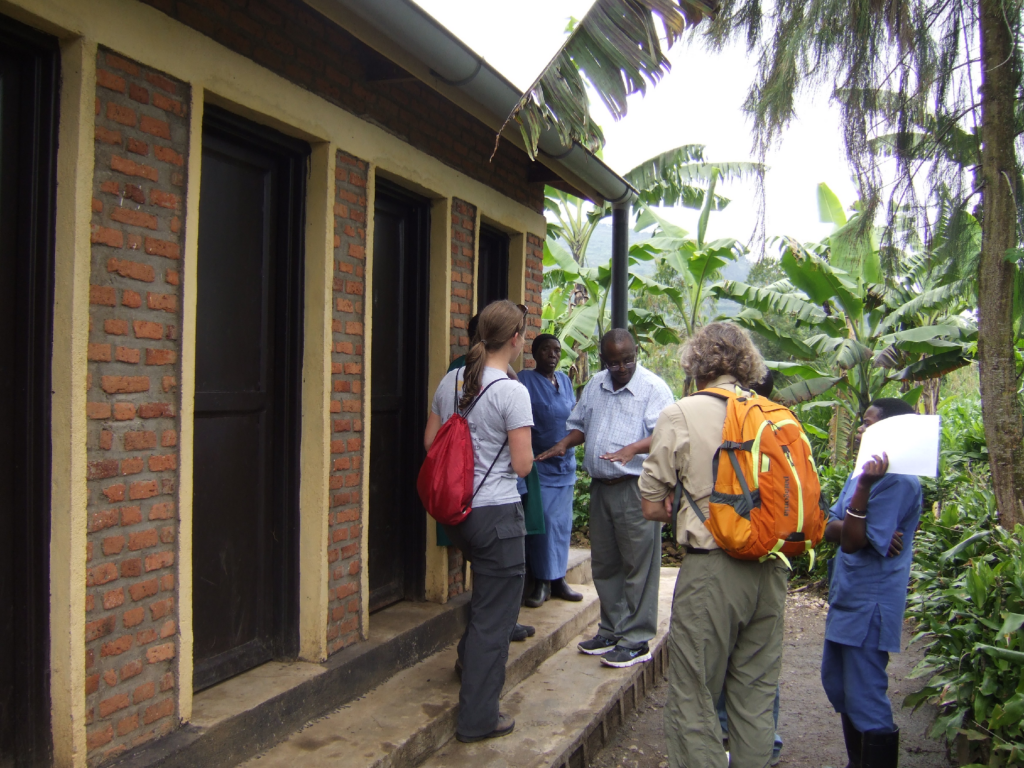
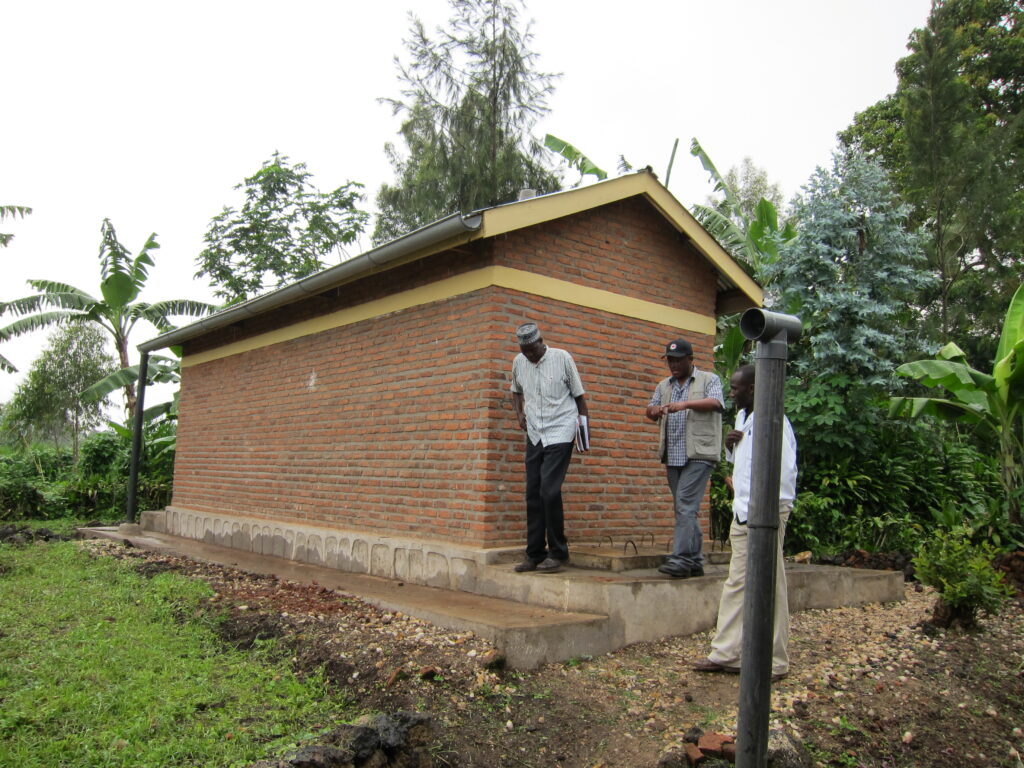
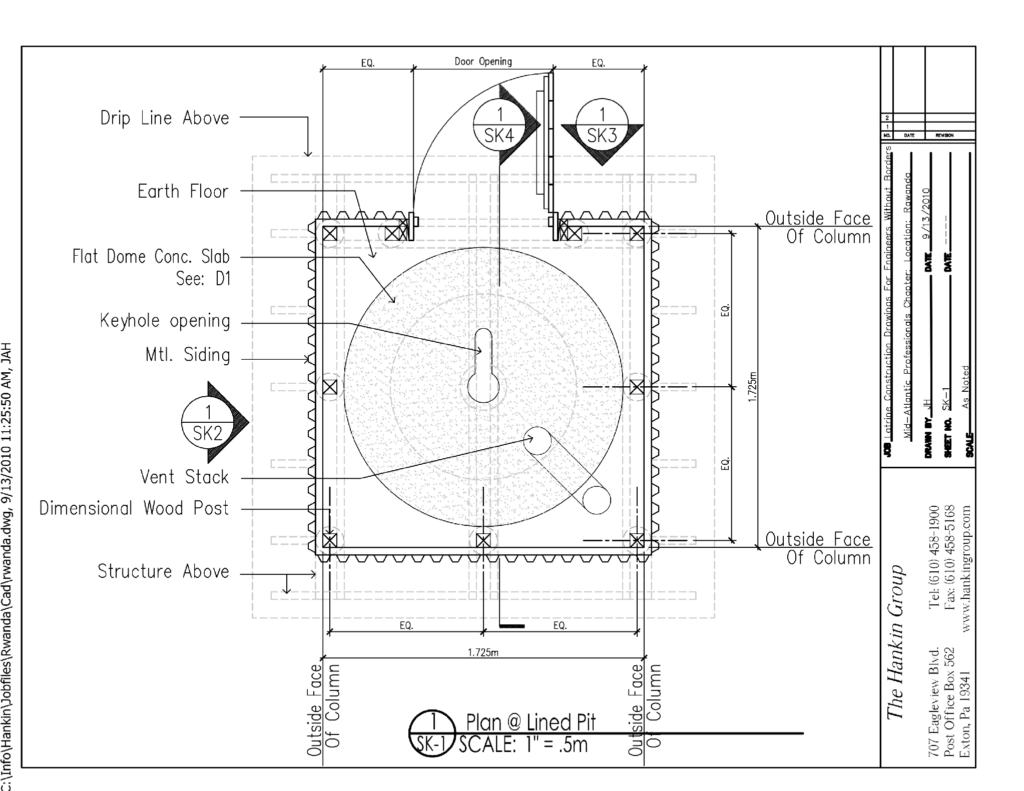
The project included design and construction of a Ventilated Improved Pit (VIP) type latrine, with six stalls. The stalls were built over a pit with two chambers. Three stalls empty into one side of the pit and three empty into the other side of the pit. The design allows for the latrine to be cleaned out. The design allows one set of the latrines should be used at a time; when the one set is full, the other set will be used. project team worked with the maintenance staff at the clinic to ensure the sustainability concepts are understood and implemented. This project was a “turn-key” type project and was completed within our estimated time frame and budget. EWB-Philly also provided comprehensive training to the nurses, social workers. and maintenance staff to ensure that the new latrines would be properly maintained for a long time.
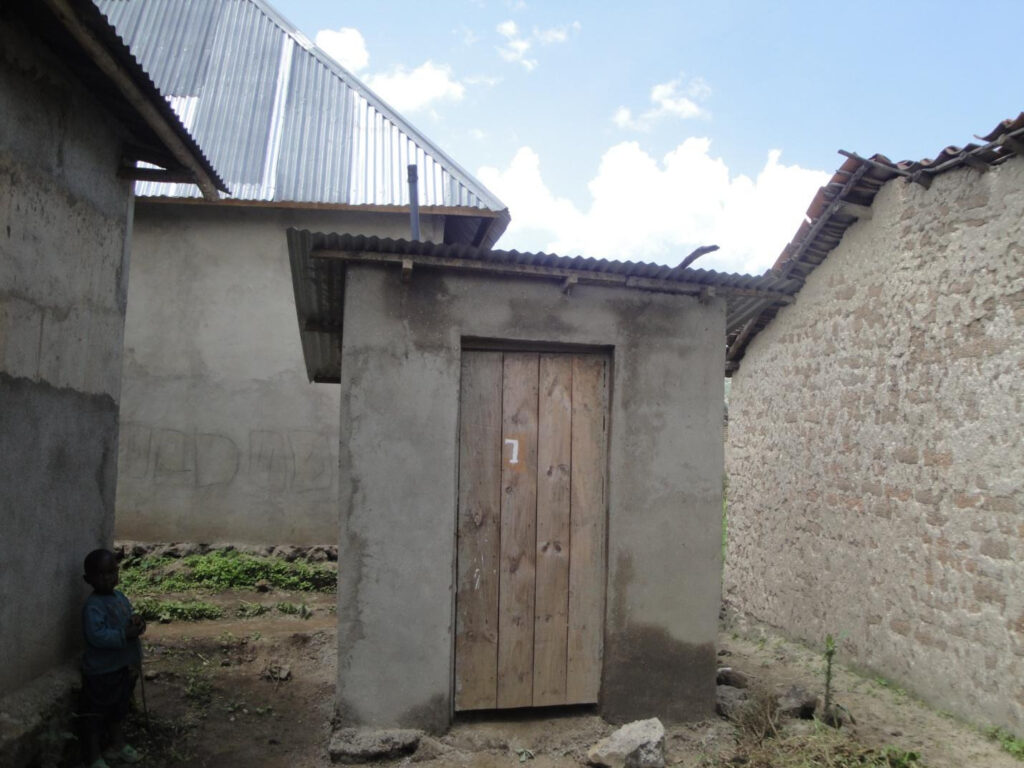
Nyantomvu Building Repairs and Latrine Construction
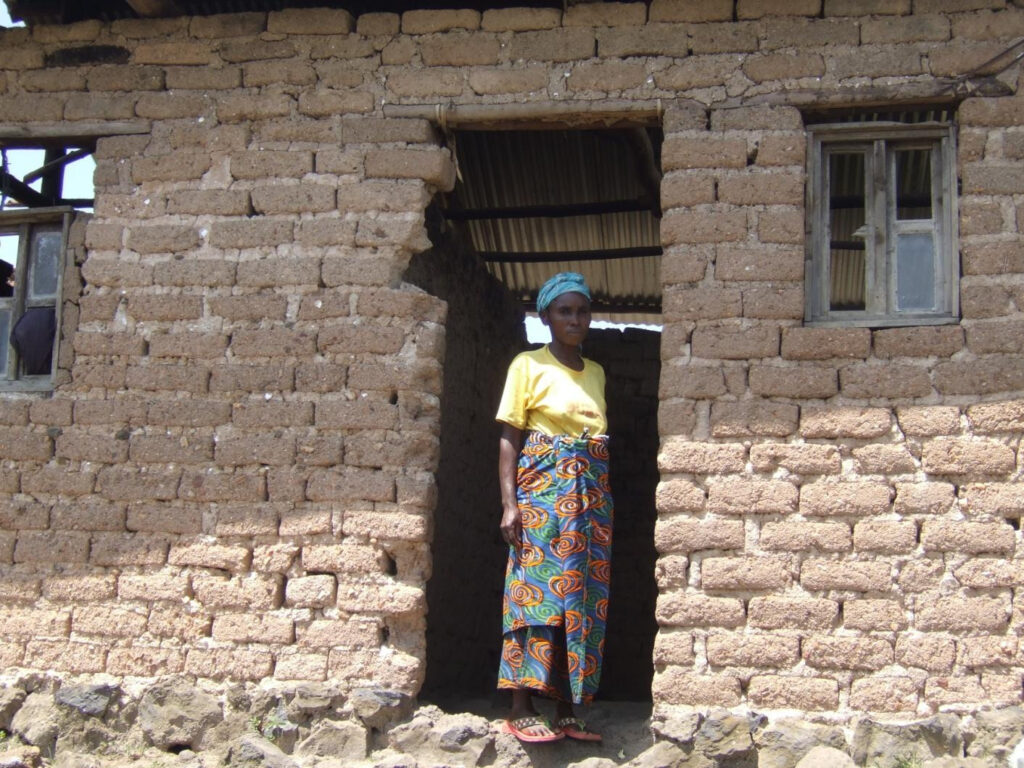
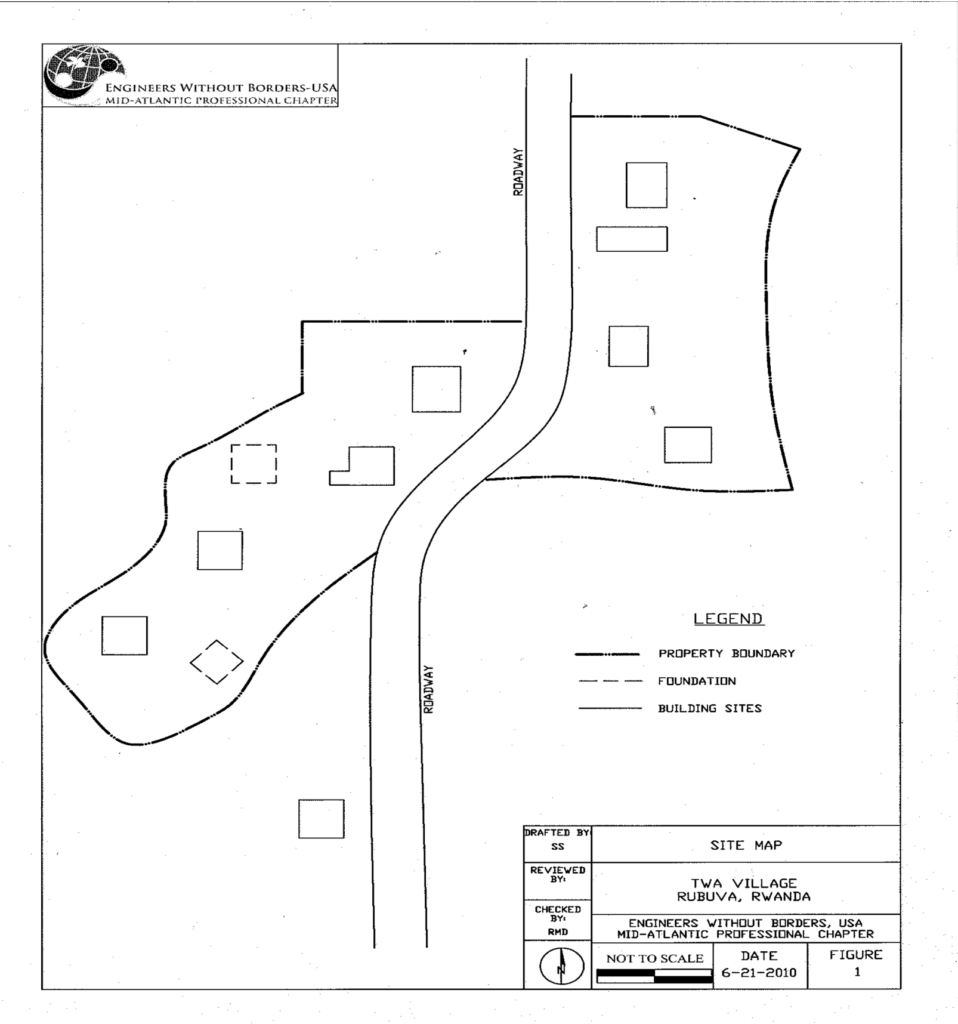
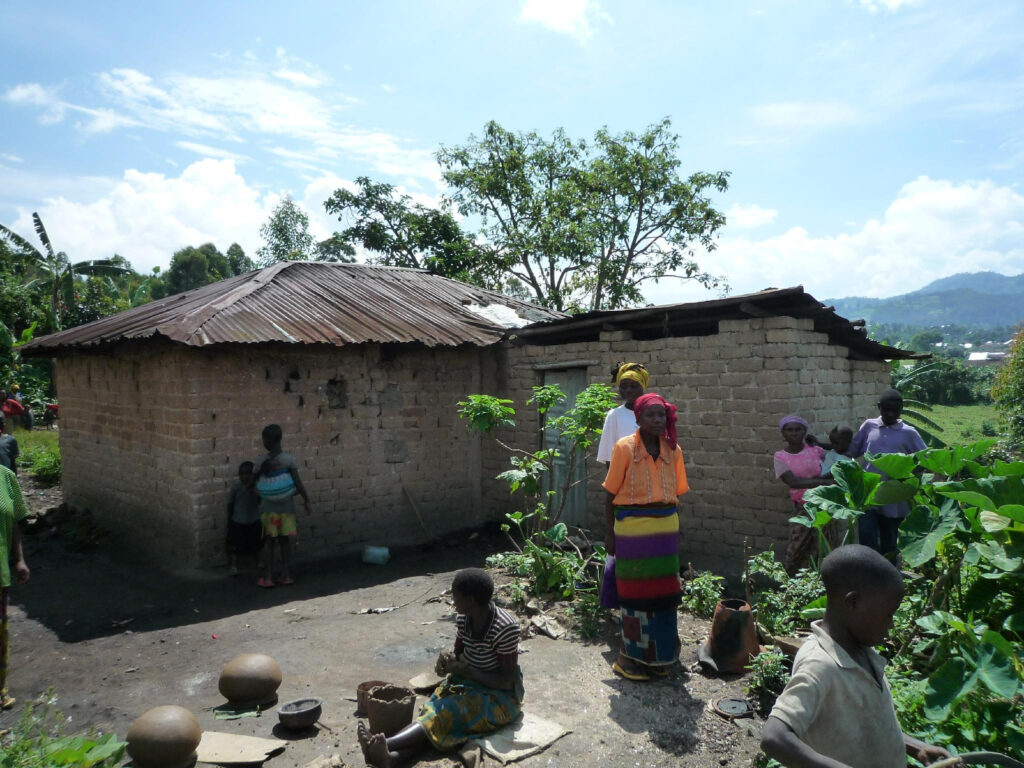
The Nyantomyu village is a Twa village. The Twa people were a nomadic tribe but have been forced into giving up their traditional way of life due to population growth in Rwanda. Although they are the original inhabitants of Rwanda, the Twa have been displaced and discriminated against. They are now living in dire poverty on the fringe of society. The conditions of the community have been improved slightly over the last few years due to Barefoot Artists’ work in establishing a place for them to sell pottery and purchasing land for their use as farmers. EWB-Philly conducted a thorough assessment of the community, through a detailed interview process and based upon the results; a project was developed to focus upon shelter repair and the construction of VIP latrines for the 11 families. The project was completed in April, 2012. The team returned to Rwanda in May 2012 for inspection of the work. The project construction is considered to be a complete complete. The Chapter handed over the project to another NGO in Rwanda for completion of education and long term maintenance of the structures.